Astro Laab News & Analysis · 05 October 2026
October 5, 2026 Astrology Watch: From Saturn's Opposition to the Libra New Moon
October 5 sits between several notable October 2026 sky markers: Venus has just turned retrograde, Saturn has reached opposition, and the Libra New Moon is approaching on October 10. Here is how to read the sequence without turning symbolism into certainty.

Where the week stands
The October 5 story is less about a single dramatic event and more about the sequence. Venus is now retrograde, Saturn has reached opposition, and the lunar cycle is moving toward the October 10 New Moon. For readers, that makes this a natural checkpoint for separating what is happening astronomically from how astrology interprets it.
Key dates and facts
- October 3: Venus stations retrograde in Scorpio.
- October 4: Saturn reaches opposition.
- October 10: The New Moon occurs in Libra at 17°22′, according to Cafe Astrology.
Venus retrograde sets a review tone
Cafe Astrology lists Venus turning retrograde on October 3 at 8° Scorpio 30′, entering Libra on October 25 and turning direct on November 13.
Traditional astrology connects Venus with relationships, attraction, aesthetics and values. During retrograde periods, astrologers often emphasize revision, reflection and reconsideration rather than assuming that a new development must be permanent.
Saturn's opposition adds a structural theme
Saturn’s October 4 opposition is an astronomical alignment in which Earth lies between the Sun and Saturn. Because the planet is visible through much of the night around opposition, the event also gives skywatchers a practical observation opportunity.
In astrology, Saturn is symbolically connected with structure and responsibility. This can make October 5 a useful day for asking which routines or commitments still deserve maintenance.
The Libra New Moon is approaching
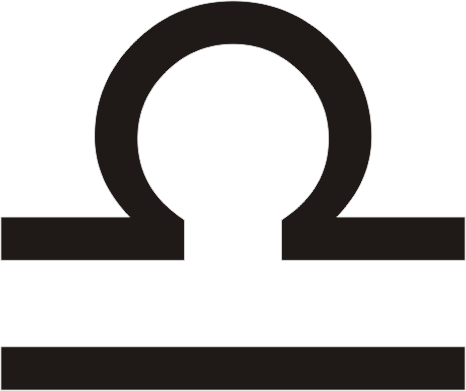
Cafe Astrology places the New Moon at 17°22′ Libra on October 10 and notes its relationship with Jupiter and Saturn in the chart.
A New Moon marks the astronomical moment when the Moon and Sun share the same apparent ecliptic longitude. In astrology, a New Moon is traditionally used as a symbolic starting point; Libra themes are commonly framed around balance, negotiation and partnership.
What a balanced reading looks like
A balanced reading keeps the facts in one lane and the symbolism in another. The date of a retrograde station can be checked against a calendar or ephemeris. The meaning attached to that date is then a matter of astrological tradition.
This approach also leaves room for personal judgment. A reader can use the symbolism for journaling, planning or reflection without assuming the sky dictates a specific outcome.
Practical questions for October 5
Which relationship agreement needs clearer language? Which expense reflects an old habit rather than a present need? Which commitment is worth keeping even when motivation is low?
Questions like these convert an abstract transit story into useful everyday review. They also avoid the trap of turning general astrology themes into fixed predictions.
What to watch next
October 6 brings a Jupiter-Moon occultation for parts of eastern and central North America, while October 10 brings the Libra New Moon. Readers following the week can use those dates as distinct astronomy checkpoints.
The week therefore has a simple narrative arc: observe the sky, verify the calendar, then decide what the symbolic language means to you.
A useful editorial habit for transit weeks
A useful editorial habit is to compare the same event across a calendar, an ephemeris and an astrology interpretation. When the date agrees, you have a stable factual anchor. When the interpretation differs, that difference is information about the tradition or system being used rather than evidence that one website has discovered a hidden physical effect. That approach is especially useful in weeks with several nearby transits.
A simple source hierarchy
Readers can also use a simple source hierarchy when updating these articles later. Calendar data answers when something happens; astronomy references answer what is physically happening; astrology references explain how a tradition interprets it. Keeping those roles distinct makes future updates easier because a new date can be changed without rewriting the entire interpretive framework. It also makes it clearer which part of the article needs refreshing when an event time is updated.
Practical Astro Laab takeaway
Use October 5 as the middle point of the week: review relationships and commitments, verify dates with reliable sources, and treat astrological symbolism as a tool for reflection rather than a forecast.
Frequently asked questions
What is happening astrologically on October 5, 2026?
Venus is in its retrograde cycle after the October 3 station, and the week is moving toward the October 10 Libra New Moon.
Why is October 5 important between the larger events?
It provides a practical review day between Saturn’s October 4 opposition and the October 10 New Moon.
Is the Libra New Moon an astronomy event or astrology event?
The New Moon is an astronomical phase; the meanings associated with Libra in a New Moon chart are part of astrology.
Related Astro Laab resources
Explore more on Astro Laab through the Daily Horoscope, Numerology, Reports and Astrology Tools sections.